
Guest Post by Sarah at Read Cook Save
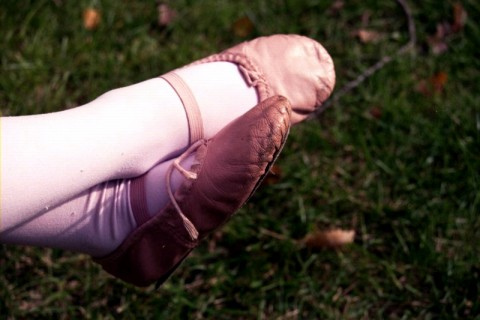
Your eight-year old is excited about playing soccer this spring, your six-year old says she wants to take violin lessons and your four-year old has her heart set on ballet. In addition to paying for the classes, you’ll need shin guards and a uniform, ballet shoes and a violin. How are you going to afford it all?
The trick, as always, is planning ahead. Way ahead, if possible. Here are a few tips for making extracurricular lessons both fun and affordable:
The Lessons
- Know your options. Dance academies and martial arts dojos often require lengthy (and costly) commitments. If your child is new to the activity or if you prefer a more low-key environment, check out community education programs, your parks and recreation department and local YWCA/YMCA. Some churches also sponsor youth programs. Start asking around your community — you may be surprised at what’s available.
- Ask about trial lessons. Your child may be able to take a trial class for a pro-rated fee (or possibly free). This gives you and your child a chance to make sure the class is a good fit all the way around before committing to an entire class.
- Understand registration fees. Some programs require a registration fee in addition to class fees. Find out if there is one, if it is for the family or the individual and how often (annually, seasonally, etc.) it is required. Ask if there are circumstances in which it can be waived and see if you qualify.
- Sign up early. Many programs offer a discount of 10-30% if you register several weeks in advance. Of course, this is more time for something unexpected to come up on your end, so be sure you understand the cancellation/refund policy.
The Equipment
- Ask when you sign up. Make sure you understand exactly what kind of supplies, equipment or clothing are required and what, if anything, is covered by the cost of the class. Ask where you can buy or rent what you need at a reasonable price. Ask if there are stores in your area that give students in this program a discount.
- Put the word out. Let your friends know what you’re looking for; if someone has it in her attic or garage she may be willing to lend it or give it to you.
- Consignment shops. Call the children’s consignment shops in your area and ask if they carry the kind of equipment/clothing you’re looking for.
- Yard sales and thrift stores (of course!). With some lead time, these can be good places to browse for outgrown leotards and sports equipment. You’re less likely to find a second-hand flute or a pair of size two tap shoes — but you never know!
- Craigslist and Freecycle. Better if you’re looking for specific brands, sizes or styles.
- Retail stores. By planning ahead, you can still find bargains. Ask when their sales are, if they give discounts to students in your program, and find and use coupons.
Sarah Barbour blogs about her adventures in new-found thriftiness at Read Cook Save.
photo by Summers








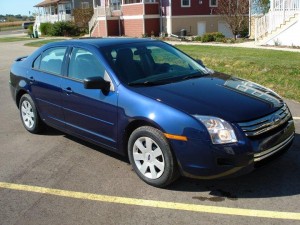 In July 2010, we finally had enough saved to buy a used car, and after searching for a few months we were able to purchase a 2006 Ford Fusion for $8000.