
Guest post from Lisa of Cooking Up A Sale
Most of us know by now that more menu-planning equals less grocery spending. But it’s how we menu-plan that can really make the total on that receipt come down.
There are many things we take into consideration as we plan meals for our families. Some of us have to plan around sports schedules and others have to plan around food allergies. In spite of our different situations, there are a few things that all of us can consider while menu-planning. These three simple concepts will aid you in the ever-present “battle of the grocery budget.”
1. The cheapest places to shop are your fridge, freezer, and pantry.
You probably have the ingredients in your house for one dinner, or at least most of one dinner. Maybe you just need to pick up a fresh vegetable to supplement the main course.
This also means checking your fridge drawers for any produce that needs to be used up this week before it goes bad, and scanning your pantry shelves for that box of instant potatoes nearing its expiration date. Make sure to include those items on your menu for the week.
2. What’s on sale is what’s for dinner.
If chicken is on sale this week and there’s no ground beef in your freezer, don’t plan to make lasagna — unless it’s chicken lasagna! If there’s a new recipe you’d like to try or an old favorite you’re dreaming about, wait to add them to the menu until next week or whenever the main ingredients go on sale.
3. Plan two-fers.
If most of the ingredients for your favorite ham casserole are on sale this week, make two of them. Eat one this week and freeze the other one for next month.
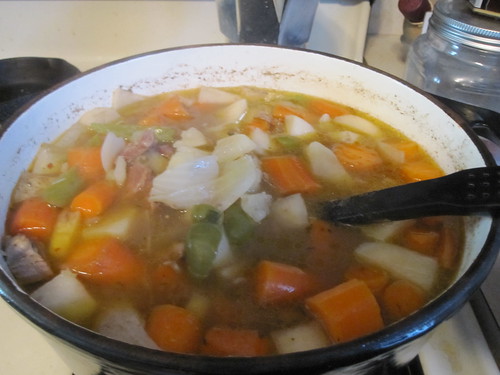
Another interpretation of the two-fer is to use your leftovers for another meal. For example, if you plan beef roast for Tuesday night, that means you plan vegetable beef soup, french dip sandwiches, or beef BBQ for Thursday night.
What money-saving ideas do you take into consideration as you plan your menu?
Lisa is a Michigan wife and mother who loves to spend time in the kitchen. She enjoys the challenges of menu-planning around grocery sales and creating delicious food using on-sale ingredients. Lisa blogs about two of her favorite topics ~ FOOD and saving money on groceries ~ at Cooking Up A Sale.











 Do you have a fun and frugal DIY idea to share? I’d love to hear about it! Read the submission guidelines and submit it

 When you’re working toward financial goals, you’re almost guaranteed to have unexpected things come up: job loss, extra expenses, cars that break down, medical bills, and more. It’s easy to get discouraged and want to give up when it seems like the going is so slow. But press on and remember that moving forward–even at a microscopic rate–is still moving forward!