Guest post from Jane of JanesDish.com
I’m ready to come clean. I’ve wasted thousands of dollars in food over the years.
According to research, I’m not alone. A major study by the National Resources Defense Council claims that the average American tosses about 25 percent of food and beverages purchased. For a family spending $500 a month on groceries, that’s $1,500 a year in the trash can. Ouch!
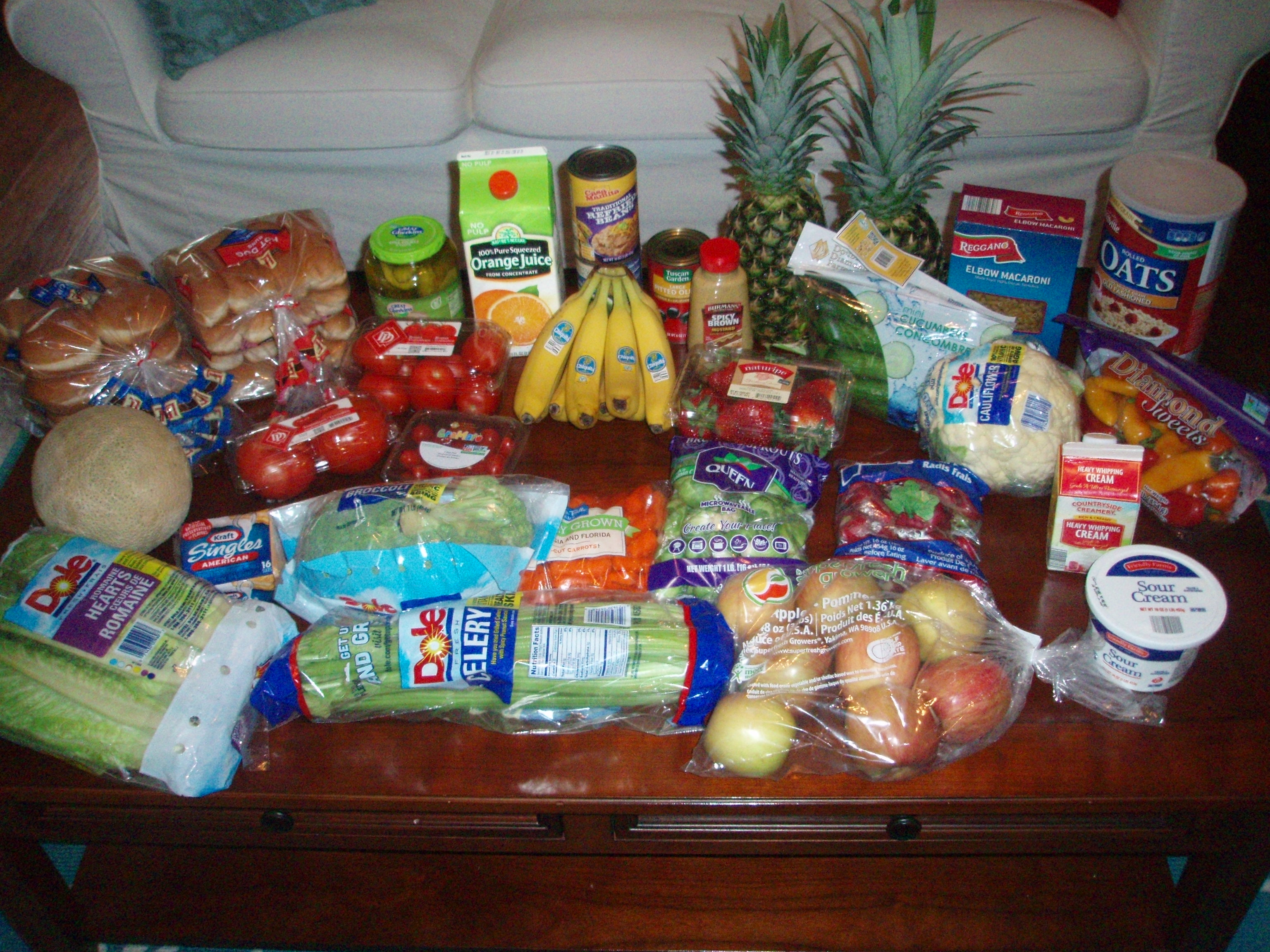
Late last year, as I threw away rotten tomatoes, shriveled cucumbers, and slimy lettuce, I knew something had to change. The fresh produce drawer was not going to be a place salad went to die ever again.
I pulled everything out of my fridge and found a simple solution that cut down our family’s food waste to almost nothing.
So, what’s the trick?
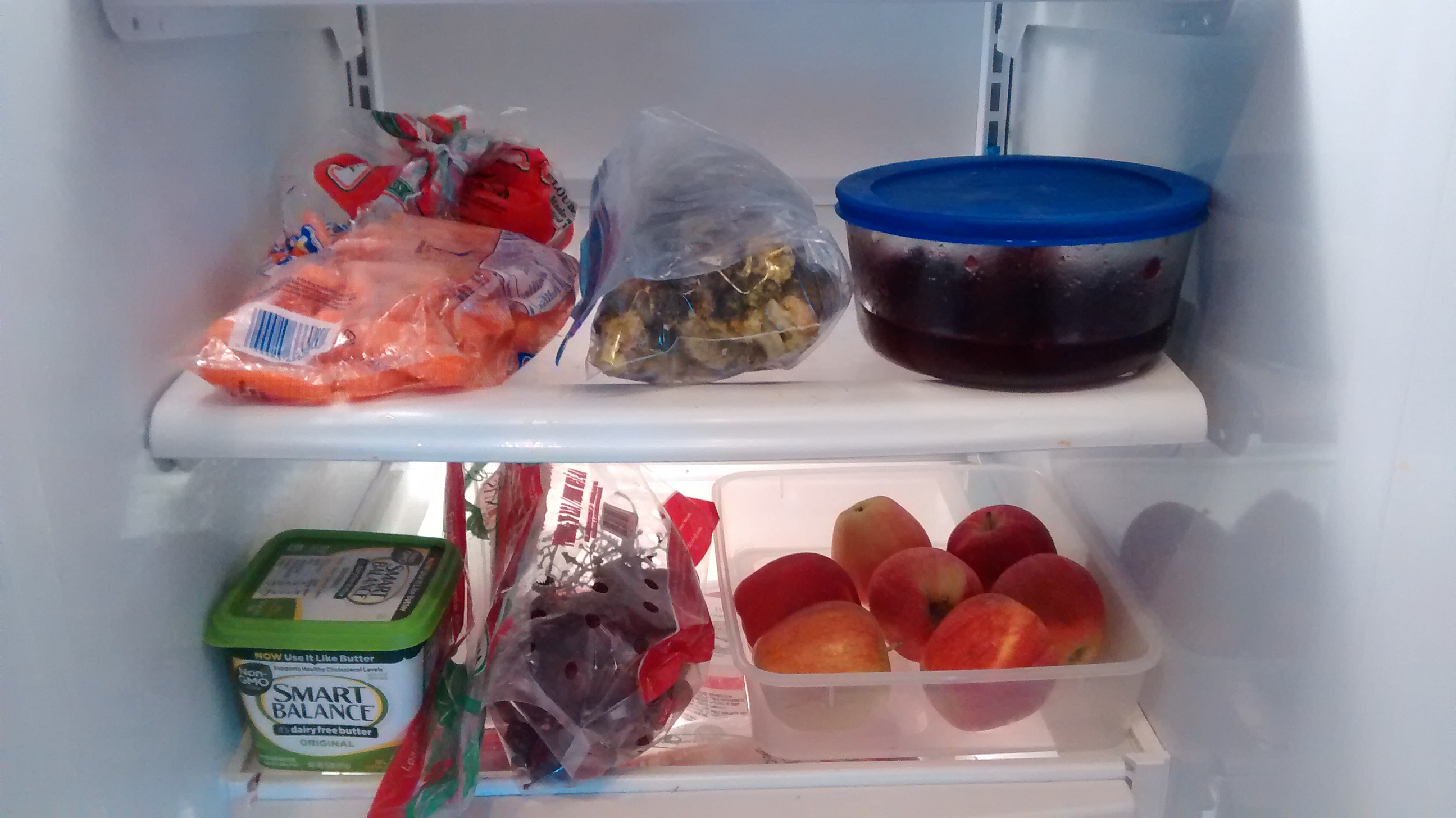
I moved all the fruits and vegetables to the top shelf of the fridge!
More specifically, I organized my fridge shelves from MOST perishable to LEAST perishable.
The top shelves are reserved for produce, the middle shelves are for leftovers and the bottom “Crisp Produce” drawers are for beverages, condiments and all other items that can withstand a nuclear bomb.
By placing fruits and vegetables in clear view, I’m able to check their state of freshness every time I open the fridge. If an item appears on the verge of a rotten ruin, I’ll make arrangements to eat or freeze it ASAP.
Almost immediately, I noticed that I wasn’t throwing away rotten onions and potatoes by the bagful on trash day. But something else happened. Something fantastic. My family and I grabbed vegetables and fruit to eat more often when they were at eye level.
Any fridge arrangement that also encourages healthy eating habits is a winner in my book.
Other tips for reducing food waste:
1. Your freezer is your friend.
We all know there’s an entire aisle in the freezer section dedicated to fruits and vegetables. That’s because produce freezes great! When you rearrange your fridge with produce at eye level, you’ll have a chance to freeze produce before it spoils.
Fruits and veggies will be in your face telling you “FREEZE ME.”
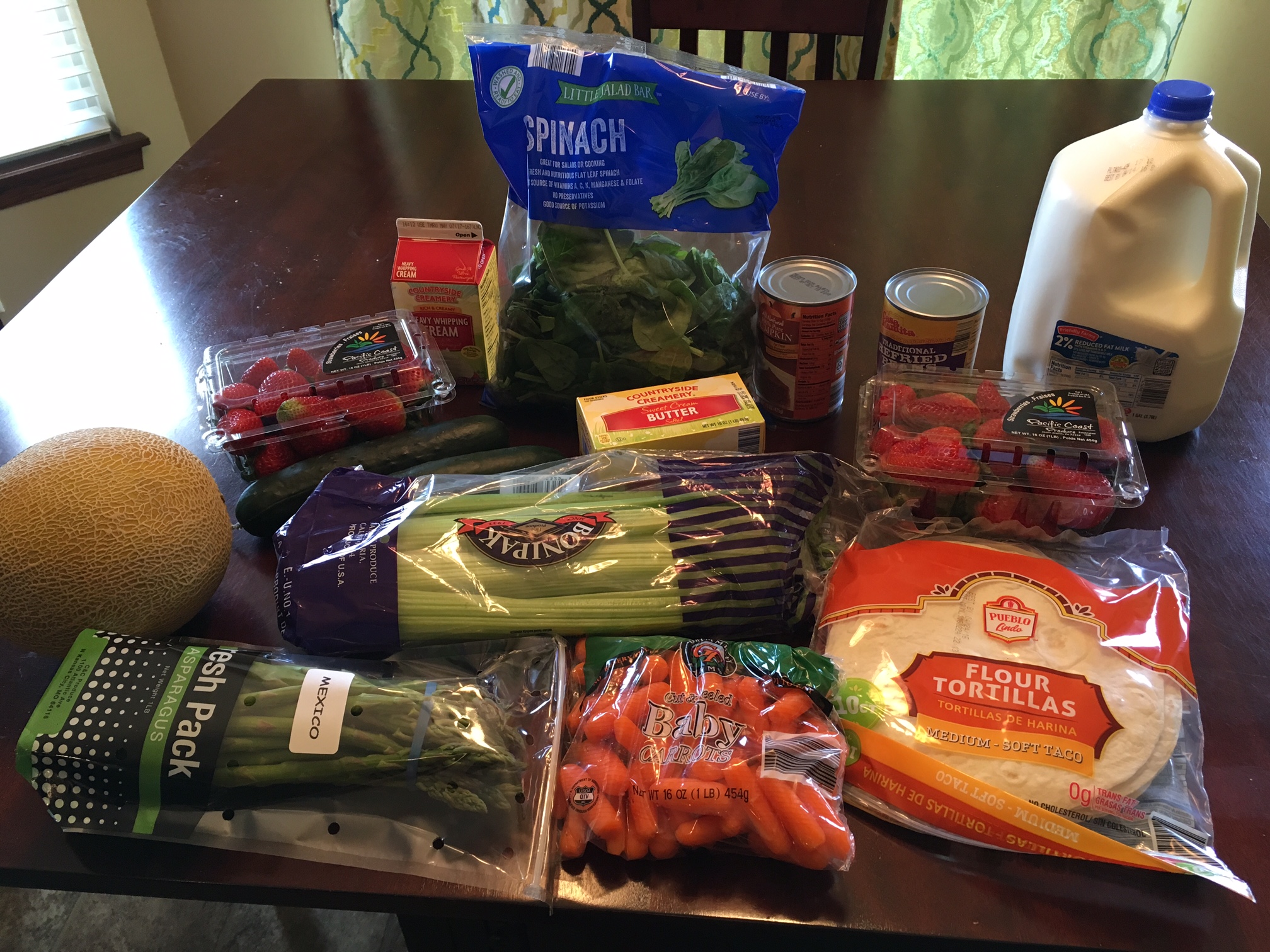
2. Only buy what you need for your menu plan.
Purchasing produce in bulk packaging is often cheaper than buying per pound. Of course, the exception to that rule is when you buy a large quantity of vegetables because it is a “better deal” then toss half in the trash because you forget to use it.
For ingredients I don’t use frequently, I will buy the exact quantity for several pennies more.
3. Be creative with leftovers.
Our family is not thrilled about eating leftover food. Except Pizza. (Isn’t pizza the exception to every food rule?)
We used to waste food at every single meal. Now, I’m very strategic about freezing leftovers immediately or planning two-part meals that use leftovers in a different way the following night, such as grilled chicken on Sunday and chicken pasta salad on Monday.
So, what are you waiting for? Save your produce today!
Jane is a wife and mother of two who recently left the public relations profession to blog at JanesDish.com. She’s passionate about growing and preparing good food for her hungry family as well as writing about everything from motherhood to frugal living.