
A testimony from Julie of The Family CEO
Two years ago I shared on how we were paying cash for our daughter’s college education. As I write this update we have paid cash for her first three years, have enough set aside for our senior year, and just paid cash for her to study and intern abroad this summer.
The study abroad trip is the subject of this post.
The Costs of Studying Abroad
Study abroad experiences vary a lot in what they cost. Some things that will affect the cost:
- The city/country you visit.
- The length of the trip.
- The number of credit hours taken.
- Whether you’ll be interning while abroad.
- Any side trips while there.
Our daughter, Lindsey, went to London for 8 weeks through a formal program that her school (the University of Kansas) offers. She took a class for credit and interned for 20 hours a week while there. She also took several short side trips to Paris, Barcelona, Prague, and Auschwitz in Poland.
The fixed costs for the trip, which included tuition, fees, housing, airfare, passport, and a work Visa, totaled $9,200. The more variable costs for food, side trips, etc. totaled several thousand more.
How We Paid For It
Just as with our regular college expenses, we used an “all of the above” strategy for paying for this experience. Here are the things that helped:
1. Choosing an Affordable School
A big reason this trip was possible was because Lindsey chose an affordable, in-state college to begin with and then earned scholarships to make it that much more affordable. When you keep the cost of education low, it leaves more money for experiences like this one.
2. Applying for Scholarships
Lindsey learned that there were scholarships available specifically for study abroad. She sought out and applied for several, and earned two totaling $1500, one from her Honors Program and one from the Office of Study Abroad.
3. Working Part-time
Lindsey works part-time during the school year and she began aggressively saving her money during the second semester so she could pay for as much of her living expenses while there as possible.
4. Spreading out Expenses
Not all study abroad expenses come due at once. We paid for some of the individual expenses like the work Visa ($489) and airfare ($1150) as they came do before her departure.
The rest we took from our college savings or from our regular monthly income. We also made cuts in other areas, like foregoing a family vacation, to make up for some of the difference.
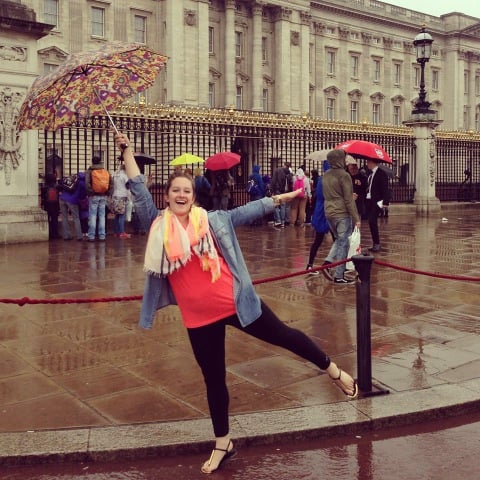
The cost of study abroad is significant and so is the opportunity cost of having Lindsey not work for the summer, but I am so glad she was able to do it. She saw amazing places, had incredible experiences, and learned a lot about the world and about herself by traveling abroad.
In 2006, Julie hired herself to save her family money, make some extra money, and pay down debt, all while living a fulfilling life. She blogs about her experiences at The Family CEO.
Have you saved up and paid cash for something — large or small? Submit your story for possible publication here.








 Read 3 chapters of




 Do you have a fun and frugal DIY idea to share? I’d love to hear about it! Read the submission guidelines and submit it