
Feeding a family with food allergies can get expensive quickly. Here’s how to save money without compromising safety or nutrition.

Hello! I have a family of 5, and three are limited by food allergies. My husband stays away from gluten and dairy, and two of my boys have severe nut allergies. Gluten-free food is not cheap! And we can only buy foods that haven’t been processed on shared equipment with nuts. It’s unreal how many items we can’t buy because they “may” contain nuts. What are your tips on saving money while shopping with these parameters? Thanks!
This is such a great question — and one that I know many here have struggled with. It can feel like grocery bills climb so much more quickly if you are gluten-free, dairy-free, nut-free, or trying to buy allergy-safe, clean, and/or organic products. It gets even trickier (and more expensive) when you’re relying on a lot of pre-packaged foods.
Feeding a family of five while juggling multiple dietary restrictions can feel overwhelming. I get it — and I want you to know you are not alone and that there is hope!

Save Money Buying Groceries with Food Allergies
Over the years, I’ve connected with so many moms who’ve discovered creative ways to cut costs while still keeping everyone safe and well-fed. Here are tips and mindset shifts that can help you do the same:
1. Shift Your Mindset: Embrace What You CAN Eat
First, acknowledge it: specialty allergy-friendly versions of “treats” or convenience foods often cost more. Instead of focusing on replacing every packaged favorite, shift toward celebrating the foods that are naturally safe and nutritious.
When our mindset changes from “I’m missing out” to “I get to explore wholesome options,” it frees us to plan meals around affordable whole foods rather than expensive substitutes. A few ways to cultivate this:
- Center meals around whole, unprocessed ingredients: Fruits, vegetables, beans, rice, potatoes/yams, plain proteins (chicken, beef, pork, fish), and safe grains. Many of these don’t have labels or “may contain” warnings. (Bonus tip: You can save even more on these by buying them at Aldi or when shopping clearance at Kroger and its affiliates!)
- Teach kids to view meals as experiences, not just the foods themselves: Involve them in meal prep, seasoning experiments, or themed dinners (e.g., “build-your-own” bowls). This helps them enjoy what they’re eating, rather than just miss the packaged snacks or breads they can’t have.
- Be grateful for health and variety: When your budget is tight, a gratitude mindset helps. Remind yourself that eating real foods is nourishing and often simpler than managing a pantry full of specialty ingredients.

2. Shop Seasonal & Local for Clean Produce
Organic or uncontaminated produce often costs more in big grocery chains, but farmer’s markets and CSAs can sometimes be a less expensive option (depending upon where you live). You can also check out LocalHarvest or community boards to find nearby markets and farms that sell to the public.
Sometimes, if you arrive near closing time there will be great deals. You also may be able to buy “seconds” — items that don’t look that pretty, but are just as tasty and nutritious. If you are able to purchase in bulk at a discount, consider freezing or dehydrating extras for later.
In addition, building relationships with farmers (or friends who garden!) could yield occasional discounts on imperfect or surplus items. Canning or freezing extra of what’s in season means you won’t pay inflated prices when allergy-safe options are scarce.

3. Simple DIY Snacks & Treats
You don’t need expensive specialty mixes for every treat. When baking, stick to pantry staples: a trusted flour blend, applesauce or another binder, and minimal extras. Our family enjoys these flourless chocolate cookies, one ingredient quinoa waffles, and Organically Addison’s gluten-free and dairy-free chocolate chip cookies.
A fun activity with your kids could be to make fruit popsicles using blended fruit or juice or bake these gluten- and dairy-free pumpkin chocolate chip muffins (skip the pecans if you need to!).
Dehydrating fruit into leathers at home replaces costly packaged versions, and you could also enjoy berries with non-dairy whipped cream for a special — but frugal and allergy-safe — summer treat!
Sites like 5 Dollar Dinners often have recipes you can tweak for allergies, and Sally’s Baking Addiction has lots of delicious, naturally gluten-free recipes. These homemade treats cost less, reduce waste, and let kids join the fun in the kitchen.
4. Unlock Bulk Buys with Freezer Space
A stand-alone freezer was a game-changer for us. If you don’t have one, watch Freecycle or local swap groups for a gently-used unit. Once you have space, stock up on safe proteins (e.g., grass-fed beef or other tolerated meats) when they’re on sale.
For allergy-friendly staples like flours and pasta blends, consider setting aside a bit each month to buy larger quantities via Amazon Subscribe & Save when discounts appear. Store in airtight containers or freeze so nothing goes to waste. Bulk buying requires planning, but the savings add up quickly.

5. Smart Buys for Packaged Allergy Items
Sometimes you do need or want to buy packaged products. Compare prices at Target, Amazon, Walmart, or online sites like Vitacost or Thrive Market versus specialty stores. Target, Walmart, and Amazon often have surprisingly good deals on natural snacks. And don’t forget about cash back apps like Ibotta or Fetch Rewards that can help recoup a few dollars each week, too.
Sign up for brand newsletters so you catch sales or clearance events. Keep a short list of trusted brands so you can avoid rereading every label each trip. Try writing to the brand and telling them how much you love their product and ask if they can send you any coupons or discounts.
And always check unit prices to know when it’s a genuine sale versus marketing.
6. Trim Extras to Fund Allergy Needs
Finally, if your grocery total still feels tight, look at other budget areas. Pause unused subscriptions. Consider dining out less — it not only saves money but reduces allergy risk.
At home, make meals feel special, whether with theme nights, build-your-own bowls, or breakfast-for-dinner, all using safe ingredients.
Also look at specific categories like your transportation costs: could you cut down to one car or carpool sometimes? Saved gas and payments can allow you to increase your budget to afford those allergy-friendly groceries.
(Note: If you’re trying to figure out where you could cut costs, you might find my free budget spreadsheet helpful!)
Final Thoughts
Feeding an allergy-prone family on a budget takes creativity, planning, and outside-the-box thinking, but it can be done! Start with one idea this week — maybe researching local farms or trying a new DIY snack project — and watch how small changes start to add up. You’ve got this!
More Ideas to Save on Groceries:
- Ask Crystal: Is it possible to eat healthfully on a budget?
- How to Survive on an Allergy-Free Diet
- 20 Ways to Afford Organic Foods on a Tight Budget
- 5 Ways We Save Even With Dietary Restrictions
- How to Afford Special Diet Foods on a Budget
- How I Feed My Family of 4 an Organic, Gluten-Free Diet
- Making the Most of Amazon Subscribe & Save: Tips and Tricks to Maximize Your Savings
- 25 Outside-the-Box Places to Buy Groceries for Less
- 20+ Simple Vegan Recipes on a Budget! (Breakfast, Dinner, Dessert, and Snacks)
- 25 Ways to Save Money on Groceries
What advice or suggestions do you have for someone who has allergies but still wants to keep their grocery budget low? Share them in the comments below.
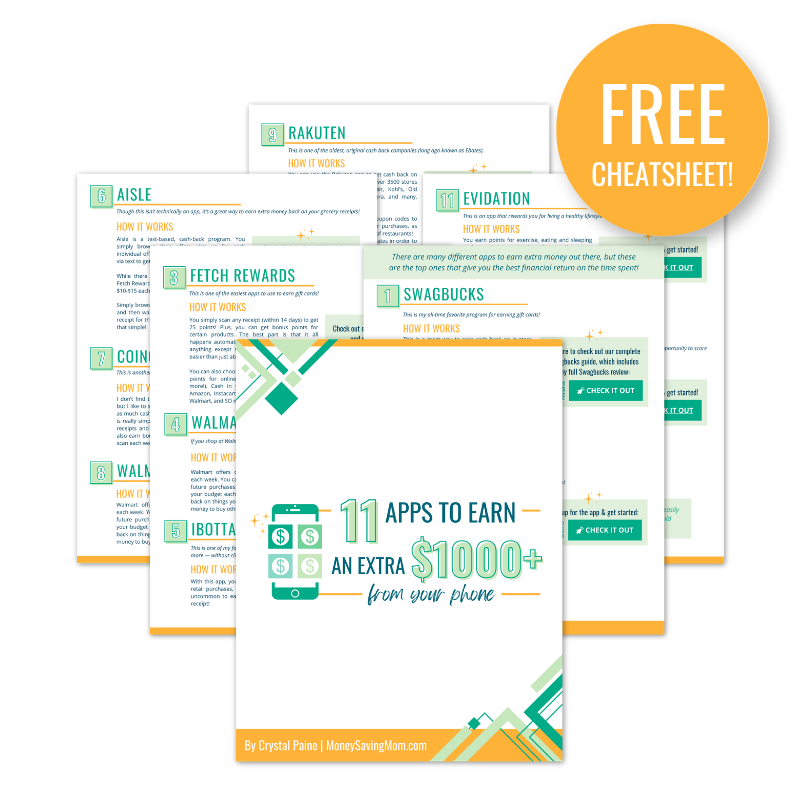

Want to EASILY earn $1,000+ this year from your PHONE?!
With this FREE Cheatsheet, you’ll learn about 11 apps that help you earn extra $$$ with very little effort!
We live with food allergies- preservatives, nuts, glysphosate (oats, wheat, corn and soy are a challenge due to this- unless they are organic), and sulfates/sulfites.
We cook from scratch a lot and make simple meals. I have found well made himemade tastes good, so we don’t want to eat out as often.
I double or triple the recipe when I cook to save time later by freezing the extra for future meals. This makes them more like convenience foods on busy days. They can usually go frozen into the crock pot in the a.m. a d be ready by dinner.
We make substitutions for the allergy person only, so that saves on costs like bread. A loaf of special bread in the freezer lasts a long time for just one person.
I watch for sales and buy pre-made items only on great sales and stock up until the next sale.
We have a CSA which allows for more local items and less preservatives or additives.
Costco has a brand called Kevin’s in the pre-made food section that is almost always safe for our allergy people, so when we buy pre-made, We often purchase those. They have a good selection of snack items as well that are safe for us and the larger package is often the same price as the little package at places like Kroger.
I shop Costco, Amazon subscribe and save, Aldi, and hit Trader Joe’s and Whole Foods for their brand when we travel. Thier brand is often less expensive in specialty foods.
Thank you so much for sharing these tips and what works for your family!
We use Azure Standard for bulk buys, and use Elements of Baking by Katarina Cermelj for delicious gluten-free recipes ( she shows how to convert recipes to gluten-free, dairy-free, egg-free in this cookbook). Her go-to gluten free flour blend has no nuts, too! It’s tapioca starch, millet flour, and sorghum flour. I substitute sugar with allulose to cut out sugar. We honestly have never ate so many treats and breads while being so much cheaper than pre-made mixes. We also eat Puffed Millet for cereal (and it’s delicious and gluten-free)!
Thanks for sharing the great tips!! – Jordan, MSM Team
We shifted our buying habits and we save a lot of money – surprisingly so. First change we made was to eliminate all seed oils in commercially made foods like salad dressings, sauces, seasonings etc. The we started buying only top quality fresh fruits and veggies and eliminated all snacks. We got a Creami to make protein ice cream instead of expensive keto ice cream. We stopped all packaged mixes and learned to bake from scratch. But the biggest change was we never enter a grocery store. All meat is delivered. All veggies are from a CSA and we get eggs from a local farmer. I bake with only coconut and almond flour. Books that helped were Gluten Free on a Shoestring and Urvashi Pitre instant pot keto book.
Thank you so much for sharing these tips!!
I make my own gluten free flour blends and bake treats from scratch. That way I control the amount of sugar too! I freeze everything in individual serving sizes, pre slicing breads, etc. so it is easy for me to get out one serving for myself.
Love that! Thank you for that tip!