

Guest post by Kirsten of I Still Hate Pickles
Last year, we put our house on the market. Keeping a house in show-ready condition with two kids meant that my house and my time needed some de-cluttering. Couponing seemed to be one more thing I couldn’t handle, so I packed up my coupon folders and stopped checking online for the best coupon match-ups.
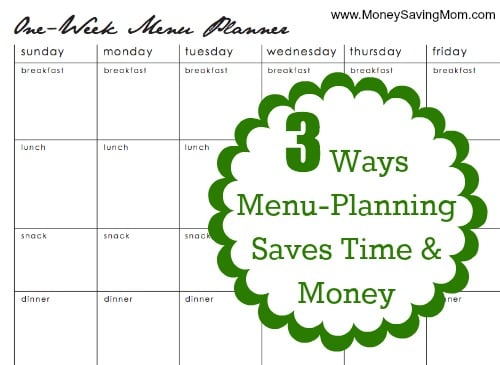
I didn’t want our grocery budget to blow up, so I came up with a system of reverse meal planning. This meant hitting the store with a basic list, buying the best deals, and planning my week around that.
If you are think this type of meal planning would work for you, here are 3 tips that helped me:
1. Pick One Store and Know It Well
Each store has its own advantages in terms of savings, whether by great weekly deals or a valued customer program. Find a store that you are familiar with and know you can find savings without coupons. Become familiar with their shopping policies.
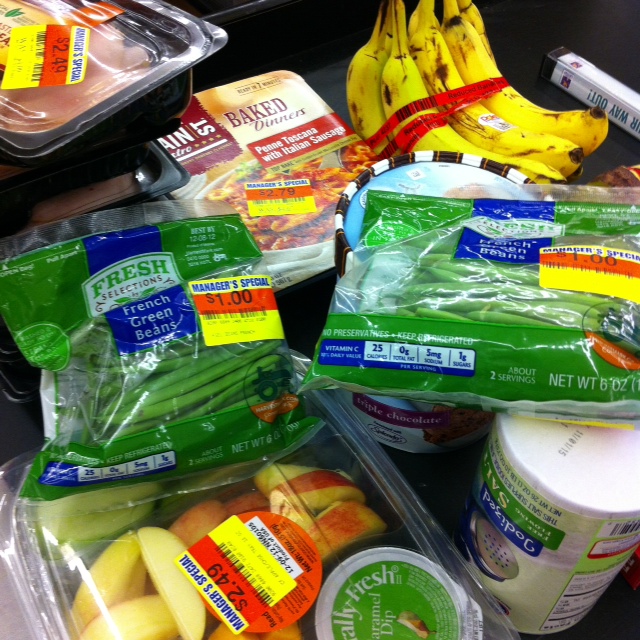
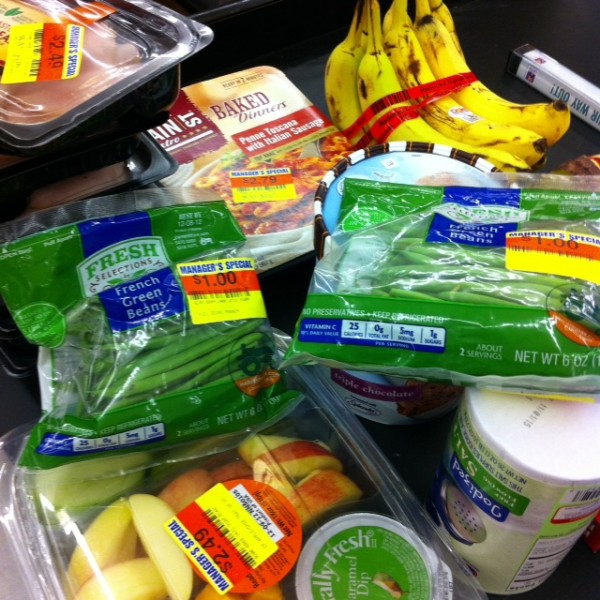
My store became our local Kroger, even though it doesn’t always have the lowest prices. It has separate clearance sections for things like organic, meat, frozen, produce, and general store items. Before I really looked, I never saw these areas!
I also discovered what days of the week tended to have the best mark-downs and planned my trips accordingly.
2. Make a General List
Rather than a specific list of items, my grocery list might look like this: fruit, bread, meat, cheese. When I got to the store, I would hit the clearance areas first. Most weeks, I could buy 90% of the list on clearance. Then I filled the list with the best non-clearance deals. In knowing your store well, you’ll already know what prices are really good.
3. Stockpile the Great Deals
Having a stockpile means that for some things, like meat and cheese, if you find a great deal, you can buy a lot and freeze them. This carried me through weeks or months where I found no good deals on items like deli meat or chicken. It’s also a good idea to note what you have stockpiled before you hit the store.
This method requires a little more flexibility than traditional meal planning. These general principles, however, work really well in conjunction with couponing — know your store, have some flexibility if you find an unexpected deal, and stockpile.
Now that we are in a less stressful situation, I can combine coupon savings with clearance savings to maximize our grocery budget. I still do like planning in reverse—it feels a little like a game to me, and sometimes makes me more adventurous with foods I might not have chosen otherwise.
Kirsten Oliphant is a writer, blogger, and wrangler of children at home. Several of her books are available on Amazon and her blog, I Still Hate Pickles, features an eclectic mix of life, faith, recipes, and roller derby.




















 Do you have a fun and frugal DIY idea to share? I’d love to hear about it! Read the submission guidelines and submit it