
Every Thursday in 2025, I’ll be answering a question on money and/or budgeting. If you have a question you’d love for me to answer in an upcoming post, please submit it here.
Today’s question is from Riley:
One of my struggles with money is that I love to cook and try new recipes. But our grocery budget continues ticking upward even with meal planning. How can I cook creatively without breaking the bank on ingredients? -Riley

How to Cook Creatively Without Breaking the Bank
If you love to cook and experiment with new recipes but find that your grocery budget keeps creeping up even with meal planning, you’re not alone! I hear from so many who are feeling the pinch of rising grocery costs.
The good news is that I believe you don’t have to sacrifice creativity in the kitchen to stay on budget. With a few smart strategies, you can enjoy cooking delicious meals without overspending.
Here are some my best strategies to help you strike that balance:

1. Be Strategic with Where You Shop
One of the biggest ways to cut your grocery costs is by being intentional about where you shop. While it might seem easier to stick to one store, you can often save significantly by shopping at multiple stores — but without running all over town!
Instead of hitting 10 different stores, do a little research each week to see which two or three stores have the best sales. Plan your shopping trips around those deals to get the best bang for your buck. For instance, Aldi and Costco often have great prices on staple ingredients, while local grocery stores might run amazing weekly sales on produce and meat.
If shopping at 2-3 stores each week feels like too much, even just rotating the stores you shop at regularly can be a great way to save money. Alternate between the nearby stores depending upon which one is running the best deals each week. Stock up on those best sales that week plus whatever items that store offers that are the best prices. The next week, do the same at another store. And so on. By rotating the stores you shop at, you’re able to stock up on the best deals each store offers regularly — without spending a lot more time shopping!
Pro Tip: You might even try some unusual, outside-the-box places to find great grocery prices!
2. Practice the Buy Ahead Principle
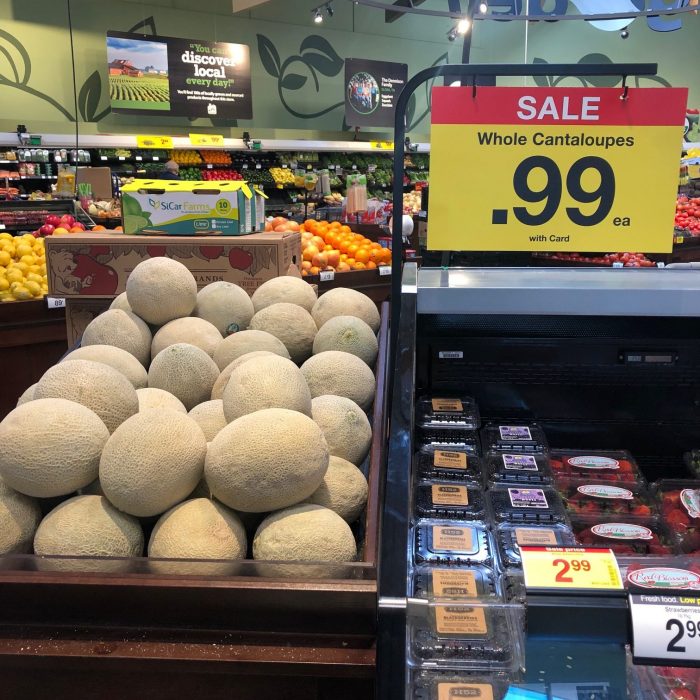
If you’re always shopping for just what you need that week, you’re likely paying full price for many ingredients. Instead, practice the Buy Ahead Principle. This means stocking up on pantry staples, meats, and other frequently used items when they hit their lowest price.
For example, if you see chicken on sale for 50% off, buy extra and freeze it for future meals. Over time, this approach will lower your grocery costs and give you more flexibility in meal planning since you’ll already have many key ingredients on hand.
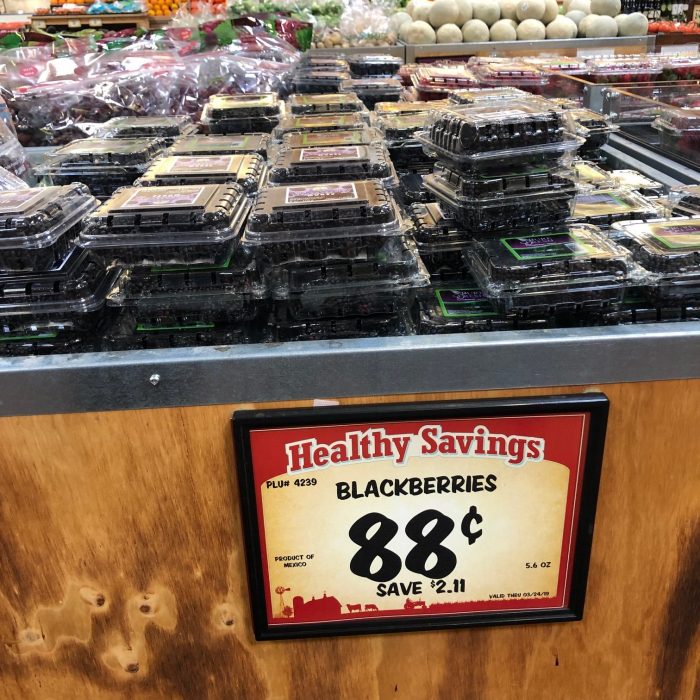
Most stores put almost everything on sale every 6-12 weeks. If you buy 6-12 weeks’ worth of an item when it goes on its lowest price and you do that with most items you buy, you are going to significantly lower your grocery budget.
3. Plan Your Meals Around What You Have
Instead of planning meals based on what sounds good in the moment, take stock of what’s already in your pantry, fridge, and freezer. Then, build your meal plan around those ingredients, supplementing with sale items from the store. This prevents waste and helps you get creative with what you already own.
I call this Reverse Meal Planning and it’s my #1 secret to saving money on groceries!
Use online tools like the AllRecipes Ingredient Search or searching on ChatGPT to find recipes that use ingredients you have on hand. This simple shift can drastically reduce your grocery bill while keeping your meals fresh and exciting. (Tip: You can type a query on ChatGPT like, “I have this ingredient, this ingredient, this ingredient, and this ingredient. I need to make a dinner in 30 minutes. What can I make?”)
4. Simplify Your Ingredients
A recipe with 15 specialty ingredients might sound delicious, but it can also quickly drain your grocery budget. Instead, look for meals that rely on affordable, versatile staples like beans, rice, eggs, potatoes, seasonal vegetables, and inexpensive cuts of meat.
Try to incorporate more recipes that use ingredients you already buy regularly. For example, if you love cooking with fresh herbs but find they often go bad before you use them up, consider growing your own or switching to dried herbs when needed.
In addition, freeze anything you won’t use before it goes back or plan your menu based upon using up leftovers of items you bought for another recipe and didn’t need all of. Again, Google or ChatGPT can be so helpful for this. Search for something like, “I have a lot of this ingredient. What are some easy and inexpensive recipe ideas using that ingredient?”
Need some quick and easy meal ideas? Go get my free cheatsheet with 60 super simple meal ideas (some of our family’s favorites!)
5. Make the Most of Leftovers
Instead of seeing leftovers as boring, view them as an opportunity to get creative! Transform last night’s dinner into a completely new meal. Leftover roasted chicken can become chicken tacos, a hearty soup, or a homemade pizza topping. Stale bread? Turn it into croutons or bread pudding.
A weekly “Leftover Night” can also be a great way to reduce waste and give yourself a break from cooking an entirely new meal. We plan Leftover Night into our menu rotation. I just set out all the odds and ends from the fridge and people can make their plates up based upon what they are hungry for! It means we use up a lot more of what we have and I don’t have to cook one night!
6. Utilize Budget-Friendly Cooking Techniques
Cooking from scratch is almost always cheaper than buying pre-made or processed foods. Instead of spending money on expensive convenience items, try making simple staples at home:
- Make your own spice blends instead of buying pre-mixed packets.
- Cook dry beans instead of buying canned.
- Bake homemade bread, muffins, or granola bars to save on snack foods.
- Make large batches of soups, casseroles, or stir-fries and freeze portions for future meals.

7. Shop Seasonally and Locally
Fresh produce can be a big budget-buster if you’re not careful. Buying fruits and vegetables in season is one of the best ways to save money while still eating fresh and healthy meals. Farmer’s markets and discount produce stores can also be great places to find fresh, affordable ingredients.
If you have the space and time, consider growing some of your own produce. Even a small herb garden on your windowsill can save you money while adding fresh flavor to your dishes.
8. Set a Budget and Track Your Spending
It’s easy to let your grocery spending get out of control if you’re not keeping track. Set a clear grocery budget and track your purchases to see where your money is going. Apps like YNAB or a simple spreadsheet can help you stay accountable and spot areas where you might be overspending.
Another great strategy is using cash for groceries. Withdraw your grocery budget in cash at the beginning of the month and only spend what you have. This forces you to be more mindful about your purchases and prevents overspending.
Remember: Loving to cook doesn’t have to mean overspending on groceries. In fact, it can help you save money because you will enjoy spending more time being creative in the kitchen and cooking from scratch!
By shopping strategically, planning meals around sales and what you already have, simplifying your ingredients, and using budget-friendly cooking techniques, you can enjoy delicious, creative meals while staying within your grocery budget. With a little intentionality, you can keep both your taste buds and your wallet happy!
Looking for more ideas to save on groceries? Check out this post: 25 Ways to Save Money on Groceries!
What tips and strategies would you add to my list to encourage Riley and others like her who are feeling frustrated by the rising cost of groceries?
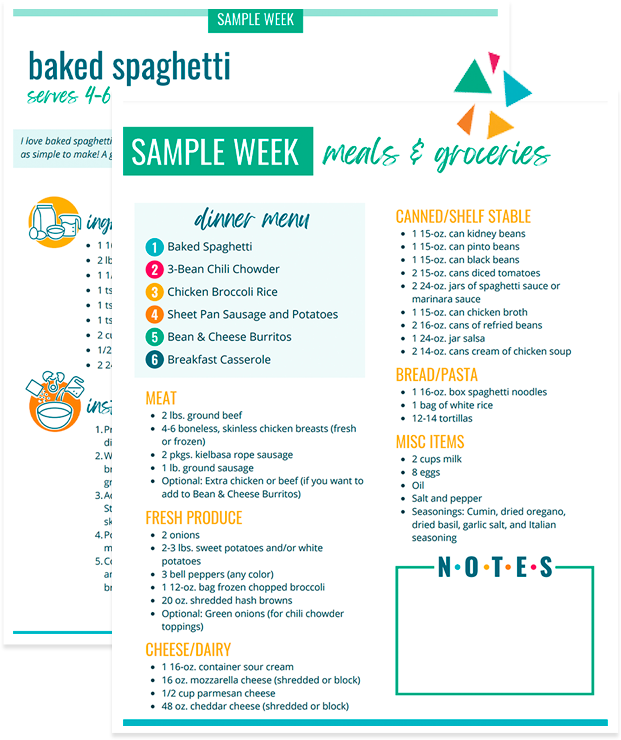
FREE One Week Menu Plan!
Done-For-You Dinner Recipes With Simple Ingredients and a Grocery Shopping List!
Simple meals are my go to in a pinch… homemade tacos, simple protein veggie/fruit, oatmeal, cereal, beans dishes, potatoes etc.
You did a great job of covering many bases. Instead of shopping for what we want to eat like I used to, I always shop the grocery ads and buy as much of what is on sale as we can use before it goes bad, like you said. We can still have what sounds good, ut it is already here from a cheaper price! Our freezer helps preserve food.
Love the chat gpt idea. I never thought of using that but I do search in Google (and did this week for chicken, mushrooms, and kale, which I’d bought on markdown!)
I know it’s tempting to take away meat from the menu, but it’s incredibly important not to miss out on protein. This might not work for everyone but I make sure to drink protein shakes every day to at least get 60 grams of protein. The shakes I drink are about 2.50 to 3.00 each but this is far less expensive than many alternatives. I would not suggest this for children or teens, but rather, for adults. If it’s okay to say it, I drink Premier protein drinks because that’s what my nutrition specialist recommended. This is a good way for adults to get their protein but also it’s a cost-saving measure too.
Some of our grocery stores participate with flash food. It’s an app that let’s you purchase items that are almost out of date for about 50% off.
The items available are listed in the app, and you buy them before heading to the store to pick up.
I just recently learned about it when a cashier explained what the coolers were for! You couldn’t do all of your shopping this way, but it can still help if you live in an area that it’s available.
Thanks so much for sharing this great idea!! I’m so hoping it comes to our area sometime soon!
Make sure you keep your fridge cold enough so leftovers are not spoiling extra fast.
Having more margin in your budget so that when prices creep up, you don’t panic. We have been budgeting for about 15 months and have been able to build margin in our budget.
Also I watched a video of a lady talking about the best way to combat inflation is making sure your food does not go to waste.
I’ve been extremely mindful to not allow our food to go to waste.
What is the video you watch?
It was a video on Rachel Cruze’s YouTube channel. She had a guest on her podcast at the beginning of last year. Sorry I don’t have the link but checkout Rachel Cruze’s you tube channel. She’s really good at talking about personal finance.
In addition to the above, consider splitting bulk packages with another household, consider growing your own, and consider which foods are filling (will make for smaller portions and less snacking). I’ve also gotten buy-in by older kids to locate in-season meals that they can choose and make. Less waste + life skills.
After sensible measures are taken, it comes down to a question of your time or your money.
Good luck!! You’re not alone.
Great suggestions! Thank you for sharing!
Where we live, we do not have stores like Costco or Aldis, and we live an hour’s drive from any Walmart’s. so, what we do is once a month we will travel to Walmart super center to stock up and make a fun day of it by planning lunch out also. Then on months when we have 5 paydays rather than 4 [happens around 4 times a year I think], We travel 2 hours away to a large Market Basket grocery which is much cheaper than our area and has a lot more choices and again, we plan on eating lunch out. These 2 things keep us stocked up. We keep a certain amount of all groceries in stock.
This is a great idea to do it regularly and make a fun day of it!!
Our daughter puts specialty syrups, oils and spices on her birthday and Christmas lists which
is a great way to save money on expensive grocery items..
Yes! We do this, too!
LOVE that!
Yes to all of the ideas in the article!!
Some things I am trying to do right now to keep costs down are to build in more meatless meals. Another is narrowing down a focus of meals we normally eat, whether a specific recipe or a basic idea (sheet pan veggies & meat, rice bowls, etc.). That helps with the buying ahead principle as well as just narrowing down some options.
Love these ideas! Thank you for sharing!