Ask the Organizer

Many, many of you have written in or commented in the last few months that you are really struggling with home organization. So I’m excited to let you know that I’ve teamed up with Andrea Dekker from Simple Organized Living to bring you a brand-new monthly feature called called “Ask the Organizer“.

Each month, we’ll feature one organizing question and let you weigh in your thoughts, answers, and opinions. Then later in the month, Andrea will pick one or two of the most popular responses and share her tips, ideas, and suggestions for dealing with those issues!

This month’s question is:

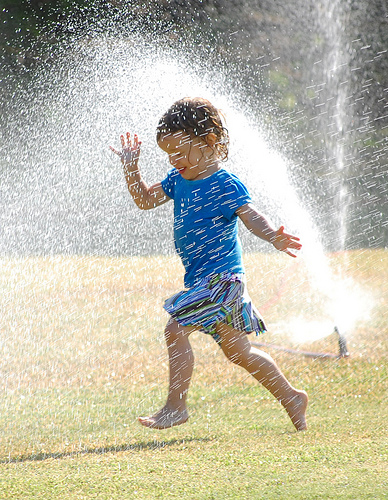
What do you struggle with most when it comes to organizing busy summer schedules?

What are your biggest challenges when it comes to planning family vacations, fun activities, sporting events, holiday get-togethers, etc.?

Leave your answers below and then check back in a couple of weeks for Andrea’s expert organizing advice!

  • Affiliate Link
  • Share on Stumbleupon
  • Del.icio.us
  • Dig this Article
  • Share this article on Twitter
  • Email This Post
  • Print This Post
  • Share this article on Facebook

{ 37 comments }

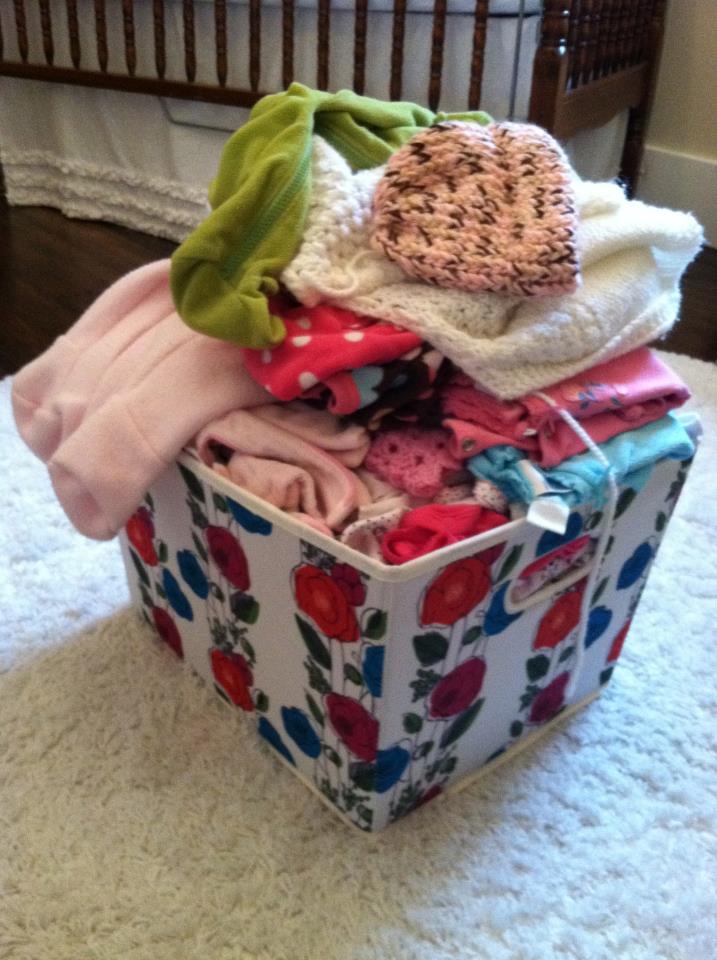
Earlier this month, I posed the question, What is your biggest issue when it comes to clothes clutter?  and the majority of your answers implied that children’s clothing was a pretty big issue in your home.

So today, I’m excited to read Andrea’s tips to help us declutter and better organize our children’s closets. Over the last several years, Andrea has worked with many moms with different ages of children (and different sizes of closets). She also has a 5-month-old daughter… so she should bring some interesting perspectives to the whole topic of clothes clutter!

If you’re overwhelmed with your children’s clothing, here are a few tips that might help you gain control of their closets. (These tips also work for adult closets too! :) )

1. Purge

The first step in dealing with any type of clothing clutter is to look over everything you have and start purging. I know firsthand how quickly the amount of children’s clothing grows — especially with all the different sizes and seasons — so there’s a pretty good chance you’ll have plenty to purge.

Only keep the items you absolutely love, unless you have a younger child who will soon be wearing the hand-me-downs. And unless you have vast amounts of extra storage space, I would strongly encourage you not to hang onto clothing for the possibility that you might have another child, who might be the same gender, and who might be born the same time of year as your current child/children. It’s just not worth the space it takes.

Try to eliminate your emotional attachment to the items and instead, come at it from the perspective that by getting rid of the clothing, you will free-up more space for items you actually need.

I’ve also found it can be easier to purge if you give/sell the items to another mom who could use them for her child. We have received tons of hand-me-down clothes gifts and are so thankful every time.

2. Evaluate

Now that your children’s closets and dressers have a little more breathing room, don’t rush out to the store to fill them back up again. Step back and take a moment to evaluate what you actually need for each child.

If you do laundry regularly (which I assume you do), your children probably won’t need more than a few nice outfits, a handful of play clothes, and some PJ’s. See if you can get by with the clothing you have. If there is something you need, jot it down and take that list with you to your next neighborhood garage sale.

3. Rotate

If you have multiple children, it’s almost inevitable that you’ll end up with all different sizes and seasons of clothing. Plus, you know that the size on the tag isn’t always accurate — for this reason, it’s important to regularly rotate your children’s clothing!

Since I still have a small infant, I try to rotate her clothes every 6-8 weeks (or as she grows out of them). With older children, you’ll probably only have to do this every season or every year.

I simply put bins on one of the shelves in her closet and any time she grows out of something, I add it to the “too-small” bin. As she grows I pull clothing from the “too-big” bin — which contains any hand-me-downs, garage sale finds, and clothes gifts we’ve gotten.

When the “too-small” bin is full, I purge the items I don’t love, and store the rest.

4. Store

Unless you are finished having children (and have absolutely no sentimental attachment to your baby clothes), you will probably need to store some of your children’s clothing. If possible, it’s always the most convenient if you can store the clothes right in the child’s room who will wear them next — in the bottom drawer of a dresser, under the bed, or on the top shelf of the closet.

If you don’t have room in the bedrooms, I’d suggest using large clear plastic tubs or vacuum-seal bags to roughly sort the clothing by gender, season, and size. Oh, and make sure you clearly label the contents so you can actually find the clothes when you need them.

And as you put items away for storage, remember to continually question whether it’s really worth the space you are taking up to store the item… oftentimes it makes more sense to purge the items now and borrow or buy used if you need them again in the future.

I think Crystal shares my same philosophy when she says, “It’s just not worth it to keep items you aren’t using if you don’t have anywhere to store them”.

5. Repeat!

Unfortunately, your children’s closets will not magically stay organized after just one purging session! So as they grow, you’ll have to repeat these steps on a regular basis.

However, keep in mind that you don’t always have to do all the “dirty work”. Encourage your children to get involved in the process — I can almost guarantee they will be more likely to keep their space organized if they helped in the process!

Of course it’s never fun to get rid of cute baby and children’s clothing, but I always remind myself that by keeping less “stuff”, I then have more space, time, energy, and money. Plus, by donating some of the items we no longer need, I’m helping other moms too!

What are your tips to organize children’s clothing?

Andrea Dekker is a wife, mom, blogger, organizer, speaker, and founder of Simple Organized Living. Her goal is to motivate and encourage others to “create their best life” through simplicity and organization.

top photo credit

  • Affiliate Link
  • Share on Stumbleupon
  • Del.icio.us
  • Dig this Article
  • Share this article on Twitter
  • Email This Post
  • Print This Post
  • Share this article on Facebook

{ 71 comments }

Many, many of you have written in or commented in the last few months that you are really struggling with home organization. So I’m excited to let you know that I’ve teamed up with Andrea Dekker from Simple Organized Living to bring you a monthly feature called called “Ask the Organizer“.

Each month, we’ll feature one organizing question and let you weigh in your thoughts, answers, and opinions. Then later in the month, Andrea will pick one or two of the most popular responses and share her tips, ideas, and suggestions for dealing with those issues!

This month’s question is:

What is your biggest problem or issue when it comes to clothes clutter?

Leave your answers below and then check back in a couple weeks for Andrea’s expert organizing advice!

  • Affiliate Link
  • Share on Stumbleupon
  • Del.icio.us
  • Dig this Article
  • Share this article on Twitter
  • Email This Post
  • Print This Post
  • Share this article on Facebook

{ 120 comments }

Earlier this month, I posed the question, Is Your Family On Board?. Your answers were kind of a “mixed bag” but many of you responded that it was difficult to get your family members to meet your organizing expectations.

So today, I’m excited to read Andrea’s tips to get our families “on board” when it comes to keeping our homes organized.

In my own family and in my experience helping many families to get {and stay} more organized, there is usually one person in the family who is more organized than everyone else.

If that one person is you, I know how frustrating it can be to get your family on board with your cleaning and organizing standards. But it’s not impossible! Yes, it might take a decent amount of effort on your part, but the results will be worth it once you are no longer doing all the work around the house.

Here are a few things to think about as you encourage your family to “get on board”.

1. Do it yourself.

This might go without saying, but if you expect your family to put their dirty dishes in the dishwasher, hang their clothes in the closet, put their papers away, and clean up after themselves; you will first have to do these things yourself.

Your kids aren’t going to eat vegetables if you refuse to eat them; so why would you expect them to be neat and organized if you are a complete slob?

Before you even venture down through the rest of these steps, make sure you are willing to do everything you’re asking your family members to do… otherwise I can guarantee it won’t work!

2. Ask them to do it.

I learned very early on that unless I ask for something to get done, it probably won’t. Even if the clothes are folded and sitting at the end of the bed, your kids might not realize that the clothes should be put away — unless you ask them to do it.

If your family members aren’t naturally clean and organized, their brains don’t constantly think “what can I do next” — so we need to ask them {and make sure to ask nicely!}

3. Show them how to do it.

If your family members have never had to fold their clothes, clean the bathroom, or load the dishwasher, there’s a pretty good chance they won’t intuitively know how to do it. So after you ask them to do it, show them how to do it — especially if you have a specific way of doing it.

If you like the socks folded a certain way — show them. If you want the dishwasher loaded in a specific way — show them. If you want them to unload their backpacks into a specified location — show them.

And yes, you might have to show them more than once, but just keep at it! Over time, and with persistence on your part, these things will become second nature.

4. Let them do it.

One of the main reasons to get your family on board is to alleviate some of your responsibilities and the need to do everything around your house, right? So once you’ve asked them to do something and showed them how to do it, then back off and let them do it!

I realize that your children might not fold the laundry as nicely as you would or clean the bathroom as thoroughly as you would, but at least they’re doing it. Once you know they are capable of doing what you ask, don’t hoover around, watching to make sure they do it perfectly.

If they do mess up a little, it’s okay to correct them after the fact, or “remind” them of how they should be doing it; however, they won’t learn unless you actually let them do it on their own.

5. Make it fun to do it.

No, I don’t think every chore has to be fun — but I do think that by making some of these organizing chores a little more fun, your family will be much more likely to participate.

If you want your children to put their dirty laundry in the clothes basket instead of on the floor, try putting the clothes basket under a basketball hoop so they can “shoot” their clothes into the hamper! Or encourage family members to keep the bathroom neat and organized by letting each person pick out a brightly colored bin to store their items in.

I’m also not above giving rewards for a job well done. Encourage your children to get rid of 25 toys by allowing them to pick one new toy or let them have a special treat or do something fun once they’ve accomplished their chores.

6. Thank them for doing it.

I know we don’t always get thanked or praised every time we clean and organize something around our house, but I’ve witnessed first hand that a simple “thank-you” goes a long way when you’re trying to get your family on board.

By implementing these simple tips, there’s a good chance that {over time} your family members will “get on board” with your organizing efforts and thus, alleviate some of your responsibilities. Yes, I realize some of you might be thinking these steps could never work — but would it hurt to at least give them a try?

At the very least, you’ll give your family a taste of what you do every day, and hopefully teach them a few new skills in the process!

How do you get your family on board?

Andrea Dekker is a wife, mom, blogger, organizer, speaker, and founder of Simple Organized Living. Her goal is to motivate and encourage others to “create their best life” through simplicity and organization.


top photo credit

  • Affiliate Link
  • Share on Stumbleupon
  • Del.icio.us
  • Dig this Article
  • Share this article on Twitter
  • Email This Post
  • Print This Post
  • Share this article on Facebook

{ 11 comments }

Many, many of you have written in or commented in the last few months that you are really struggling with home organization. So I’m excited to let you know that I’ve teamed up with Andrea Dekker from Simple Organized Living to bring you a brand-new monthly feature called called “Ask the Organizer“.

Each month, we’ll feature one organizing question and let you weigh in your thoughts, answers, and opinions. Then later in the month, Andrea will pick one or two of the most popular responses and share her tips, ideas, and suggestions for dealing with those issues!

This month’s question is:

Is your family on board with your organizing goals?

If they are, what have you done to get them on board?

If not, what are you biggest struggles/obstacles to getting them on board?

Leave your answers below and then check back in a couple of weeks for Andrea’s expert organizing advice!

  • Affiliate Link
  • Share on Stumbleupon
  • Del.icio.us
  • Dig this Article
  • Share this article on Twitter
  • Email This Post
  • Print This Post
  • Share this article on Facebook

{ 66 comments }

Earlier this month, I started a new series called “Ask the Organizer”. I posed the question, “What Is Your Biggest Clutter Hot Spot” and the overwhelming response was the kitchen! Many of you expressed your desire to have a more organized kitchen, dining room, table, or counter.

So today, I’m excited to hear what Andrea of Simple Organized Living has to say about the best ways to organize different areas of the kitchen!


The kitchen is the center of the home and even if you aren’t a great chef, I’m assuming you still spend a fair amount of time in your kitchen/dining room every day.

In my opinion, if I’m spending a lot of time in one particular space, I want it to be clean, organized, uncluttered, peaceful, calm, and inviting.

Do those adjectives describe your kitchen?

If not, here are a few simple ways you can transform your kitchen from a cluttered mess to organized bliss!

Counter Tops / Table:

I think all flat kitchen surfaces must be covered with glue because it seems like everything that gets placed on them sticks around for a long time!

Take note of what is currently on your kitchen counter tops and your kitchen table — if it’s like most kitchens, the flat surfaces are probably cluttered with junk mail, expired coupons, newspapers, homework assignments, to-do lists, bills, small appliances, photos, craft supplies, office supplies, recyclables, a variety of food items, and so much more.

And while I don’t think it’s completely realistic to have nothing sitting out on your kitchen counters, I know that I personally enjoy being in my kitchen when it is clean and clutter-free… so I try to keep it that way!

I manage to keep our kitchen and dining room relatively clutter-free by implementing a few simple tips:

Keep trash and recycling bins close by. We store our recycling in the laundry room — which is right off the kitchen, so we can quickly and easily deposit cans, paper, etc. right away. This means it doesn’t hang around on the counters for days and weeks until we finally bring it to the basement or garage.

Use a junk drawer. Yes, I’m telling you that it’s a good  idea to have a junk drawer — mainly because every house needs at least one drawer where you can stash stuff you don’t have a home for {like extra batteries, twist ties, paper, pens, glue, coins, etc.} Just make sure you don’t let it get out of control!

Implement a system for papers. Papers are a huge source of kitchen clutter, and if you don’t have a system for dealing with them, they will pile up quickly — I promise! Toss junk mail, fliers, ads, and subscriptions you don’t want to read before you get into your home; that way the can’t get buried at the bottom of a pile. Have designated “in” and “out” piles for bills, homework, to-do’s, RSVP’s, and other time-sensitive information.

Create zones. If you regularly do crafts, office work, puzzles, play games, or sew in your kitchen/dinning room, then create zones for those different activities. Have a plastic tub for your craft/sewing supplies and store it in a bottom cabinet; designate one shelf for games and puzzles; use a rolling cart to store extra office supplies. By creating a home for all of these items, you’ll eliminate the mad rush to clear off the counters and table when company arrives!

Practice daily maintenance. Keeping your kitchen organized and clutter-free will require a bit of maintenance every day in order to really stay on top of it. I like using a medium size basket as a “dumping ground” for anything that doesn’t belong in the kitchen. Then, at the end of the day, I’ll take the basket and empty the contents to their proper homes around our house.

Cabinets / Drawers:

Probably the #1 complaint I get from people is that their kitchen doesn’t have enough storage space. And while I too have voiced this complaint on occasion, the only solutions are to either create more storage space or get rid of some of your stuff!

My husband and I are gearing up for an exciting kitchen renovation this summer, and we will definitely be creating lots more cabinet and drawer space; but for the time being, I’ve been forced to simply do without and get very creative with the space I do have.

If your cabinet space is limited, here are a few tips that might help:

You can save a ton of space by using dishes, glasses, pots, bowls, and storage containers that stack nicely inside each other. If you have items that don’t stack well, consider getting rid of them or storing them in the basement/garage for the time being.

Also, make sure you toss any containers that don’t have lids, any lids that don’t have containers, and anything that is cracked, rusty, melted, or broken — you shouldn’t waste valuable storage space on these items!

Get creative and find organizing containers you might already have around the house. I love using plastic shoe boxes for holding small kitchen items, lazy-susans for storing canned goods, and shelf dividers/extenders to maximize the storage space I do have.

Remember to think about how you use the items in your kitchen — and then store them accordingly. For example, if you only use certain serving pieces during the holiday season, store them in your basement or garage. However, if you use a specific appliance or tool every single day, you should either leave it out on the counter or store it in a very convenient place.

Refrigerator / Pantry:

You might be surprised at some of the items lurking in the back corners of your refrigerator, freezer, and pantry!

If you haven’t taken the time to go through and organize these areas of your kitchen, there’s a pretty good chance you’re not only wasting time searching for ingredients you need, but also wasting money throwing away food that’s expired or buying more of something you already have in the house.

To better organize these areas, start by pulling out all your food. Yes, I know this sounds overwhelming, but it’s honestly the best way to get started because you can see everything you have.

Once you can see what you’re starting with, quickly toss anything that’s expired or past its prime. Then group like items together {canned fruits, canned veggies, meats, cheeses, dairy, pasta, cereals, chips, etc.}

When I’m putting my food away, I like to create ‘food zones’ — like a lunch packing zone {a basket with snacks, chips, fruit leathers, juice boxes, etc}, a pasta zone {all different pastas, canned sauces, canned tomatoes, Italian seasonings, etc}

I use lots of shoe boxes and small plastic organizers as a frugal way to keep my fridge, freezer, and pantry organized {yes, I have shoe boxes in my fridge and freezer!}

Once these areas are organized and all the food is put away, make sure you get in the habit of putting any new food behind the older food so you don’t end up with expired food hidden way in the back again.

I also challenge myself every couple of months to take a week off from grocery shopping and simply eat from our pantry and freezer.  Not only do I save a bunch of money by not buying groceries that week, I’m also able to clean out our pantry, fridge, and freezer {and I just love getting creative with our menu plan that week!}

Like I mentioned earlier, the kitchen is the heart of your home; and I guarantee you’ll enjoy the time you spend in your kitchen so much more if you keep it clean, organized, and clutter-free!

How do you keep your kitchen clutter-free?

Andrea Dekker is a professional organizer, motivational speaker, and the founder of Simple Organized Living. Her goal is to motivate and encourage others to “create their best life” through simplicity and organization.
  • Affiliate Link
  • Share on Stumbleupon
  • Del.icio.us
  • Dig this Article
  • Share this article on Twitter
  • Email This Post
  • Print This Post
  • Share this article on Facebook

{ 69 comments }

Many, many of you have written in or commented in the last few months that you are really struggling with home organization. So I’m excited to let you know that I’ve teamed up with Andrea Dekker from Simple Organized Living to bring you a brand-new monthly feature called called “Ask the Organizer“.

Each month, we’ll feature one organizing question and let you weigh in your thoughts, answers, and opinions. Then later in the month, Andrea will pick one or two of the most popular responses and share her tips, ideas, and suggestions for dealing with those issues!

So, to start things off, this month’s question is:

What is your biggest clutter hot spot?

Leave your answers below and then check back in a couple weeks for Andrea’s expert organizing advice!

  • Affiliate Link
  • Share on Stumbleupon
  • Del.icio.us
  • Dig this Article
  • Share this article on Twitter
  • Email This Post
  • Print This Post
  • Share this article on Facebook

{ 287 comments }